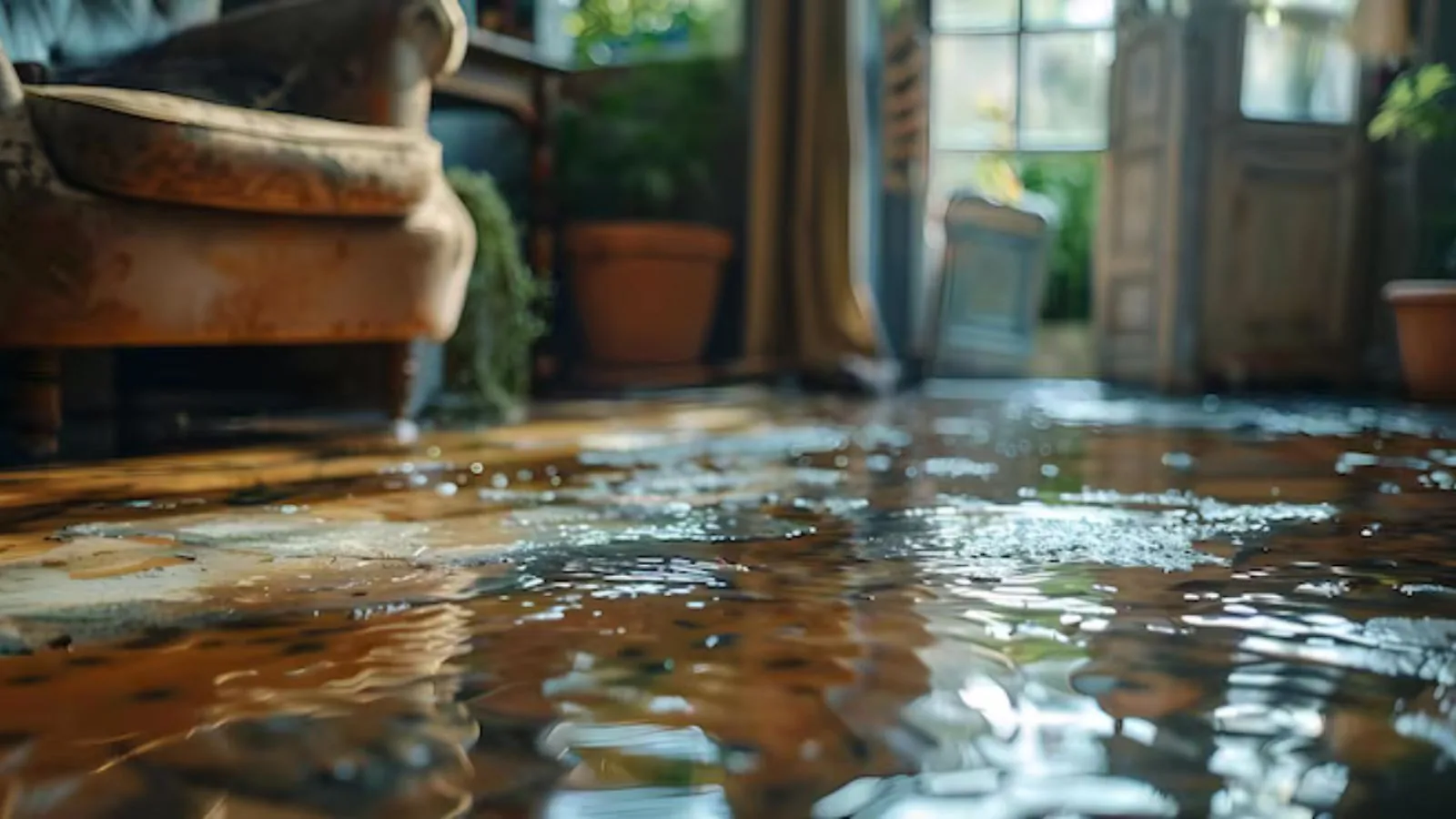
Documentation does not decide whether a claim is covered, but it often decides how smoothly the claim moves. A homeowner with dated photographs, receipts and a clear timeline gives an adjuster less to question. This guide lists what to capture, when to capture it and how to keep it organized, whether the water came from a pipe in Morganville or from a storm.
We are not an insurance company, and what follows is practical guidance from the restoration side. Your insurer decides what it needs, so ask it for its own list as well.
The first hour: before anything is moved
Safety comes first. Once the water source is stopped and the electrical risk is handled, photograph the scene exactly as you found it. Wide shots show the room, close shots show the damage and a few shots with a tape measure or a coin show scale. Take a short video walking through each affected room, narrating what you see.
- The source of the water, such as a split pipe or a failed hose.
- The water line on walls, cabinets and furniture.
- Wet flooring, ceilings and wall bases.
- Damaged belongings, with brand names and model numbers visible.
- The main valve and the meter, showing that water was shut off.
Do not discard damaged items until the adjuster has had a chance to see them or has told you that photographs are enough. If you must remove something for safety, photograph it first and keep a sample, such as a piece of carpet or a section of drywall.
Keep a running log
Start a simple notes page with dates and times. Record when you discovered the water, when you stopped it, when you called your insurer and who you spoke with. Add the claim number to the top of the page as soon as you have it. The New Jersey Department of Banking and Insurance advises policyholders to keep the claim number and save documentation, and a log makes that easy.
Note each person who visits the property, including the plumber who repaired the source and the restoration crew. Keep their invoices. A plumber's invoice that names the failed part is often the strongest evidence that a loss was sudden. See water heater leak cleanup and appliance leak water damage for the typical failure points.
What moisture readings add
Surface appearance misleads. A wall can look dry and still hold water in the cavity. Moisture meters and thermal cameras produce numbers and images that show where water went and when it is gone. Readings taken at the start and at each visit become a drying log, which shows the insurer the work was needed and was finished.
Ask any contractor you hire whether it records readings and whether you can have a copy. Our own approach to drying follows the ANSI/IICRC S500 standard, and the log is part of the file we hand over.
Records that help in this area
Local public notices can corroborate the date and type of an event. When Hurricane Ida's remnants crossed New Jersey in 2021, Marlboro Township posted flash flood and tornado watch updates, which residents later used to place a loss in time. Keep screenshots of any official notices from the day of your loss.
If the water came from the street side of your property line, the township or the utility holds its own records. Ask who was notified and when, because a main break or a sewer problem outside your house may have a separate record that supports your claim.
Source type: New Jersey Department of Banking and Insurance consumer guidance and Marlboro Township public notices.
Receipts and the cost of living through it
Keep every receipt for emergency work, equipment rentals, hotel stays, meals if your policy covers additional living expense and temporary repairs such as tarps. Photograph or scan paper receipts the same day. Write on each what it was for and which room it relates to.
For personal property, make an inventory as you go. Include item, age, approximate value and condition, with photographs. Many homeowners find that building the list at the kitchen table a week later leaves out half the items. Do it room by room while the damage is fresh.
Working with an adjuster
An adjuster may visit once or several times. Be present if you can, and walk them through the damage in the same order as your photographs. A contractor can talk to the adjuster about what was found and what was done, and the Department notes that you may also hire a licensed public adjuster who is paid from the claim. That is a decision with trade-offs, so ask about the fee before you sign.
Do not sign a release or accept a final payment until you understand what it covers. If your insurer's scope and your contractor's scope differ, ask for the differences in writing. See wall and drywall water damage repair for how rebuild work is itemized.
When the loss is in a neighboring town
The same checklist applies in Cliffwood and Spotswood, where the water may come from the bay or the brooks instead of a pipe. In those cases, add photographs of the street and the nearest water body, and note the time you first saw water outside. Flood claims run through a separate flood policy.
Water spreading and the record still to build? Call the line, and we help you begin.
Call (732) 352-9660Frequently asked questions
More than you think you need. Take wide shots of each room, close shots of damage and a video walk-through. Photos are free to take and hard to recreate later.
Keep them until the adjuster says otherwise, or photograph and keep a sample. If an item is a safety hazard, photograph it first.
Ask before you hire. We record readings at the start and at each visit and share them with you.
Contact the township or the utility and ask what record they have. A main break outside the property line may be recorded separately, and that can support your claim.
Generally no. Township notices record events, but claims go through your insurer. A utility may have responsibility for a failure on its side of the property line.