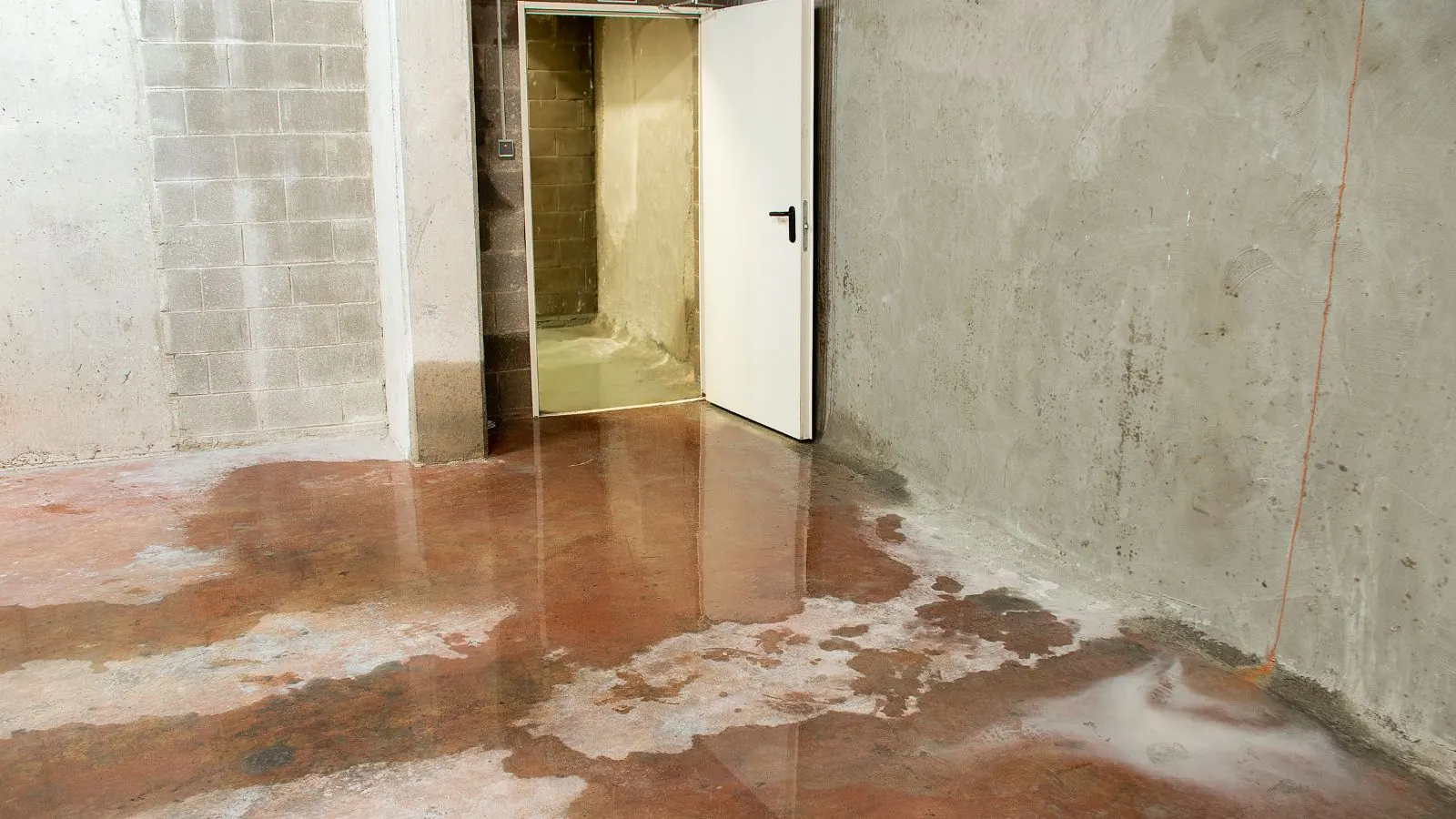
A sudden jump in the water bill is one of the earliest signs of a hidden leak. Unlike a flood, a slow leak does not announce itself. It adds a little to the bill each month until the number is too large to ignore. This guide shows how to check for the cause in an hour with no tools, and what to do when the meter says water is leaving your house unseen.
In Morganville, the township and a few neighboring utilities bill for water, so the first question is whose meter you are reading. The steps below work with any residential meter.
Start with the meter
- Turn off every faucet, appliance and the icemaker. Make sure no one is running water.
- Find the meter, usually in the basement, a utility room or a box near the street.
- Look at the low-flow indicator, a small dial or triangle that spins with even tiny flows.
- Note the reading, wait 15 to 30 minutes with no water use, and check again.
- If the reading moved, water is going somewhere.
If it moved, close the main water valve inside your house and check the meter again. If the meter stops, the leak is inside the house. If the meter keeps moving with the main closed, the leak is between the meter and your valve, which is outside the building.
Common hidden causes
- A running toilet. A flapper that does not seal can waste a lot of water.
- A dripping faucet or a leaking shutoff valve.
- A water heater relief valve that is dripping.
- An irrigation system with a broken head or line.
- A pipe leak inside a wall or under a slab.
For toilets, add a few drops of food coloring to the tank and wait 15 minutes without flushing. Color in the bowl means the flapper is leaking. A water heater relief valve that drips can leave a stain at the discharge pipe. See water heater leak cleanup for that source.
When the leak is in the floor or the wall
A meter that moves with all fixtures closed and no obvious source points to a pipe leak you cannot see. Clues include warm spots on a floor, damp carpet, a hissing sound or musty smells. A plumber or a leak detection company locates the pipe. We handle the water that escaped. See slab leak water damage for the signs.
If the damage is already visible, such as a stained ceiling or damp wall, the water has been traveling for some time. Ceiling water damage repair explains how we assess and dry that kind of loss.
Who supplies your water in this area
Marlboro Township's Division of Water Utility serves Morganville with five groundwater wells and surface water purchased from Middlesex Water Company. Matawan's own Water Department serves that borough, using its groundwater plant from April to mid-October and New Jersey American Water surface supply from November to March. Aberdeen's water division runs the Cliffwood system.
That matters because the utility that bills you is also the one to call about a leak outside your house. If your meter shows a leak between the meter and your main valve, call your utility. Some utilities offer help with bill adjustments for leaks, so ask.
Source type: Marlboro Township, Matawan Borough and Aberdeen Township water utility information.
What to do while you find it
Close the main
If the meter runs with all fixtures off, close the main and call a plumber.
Check what is wet
Look for stains, damp flooring and musty smells near plumbing.
Photograph the meter
Take a photo of the meter and its reading before and after your test.
Call the line
If floors or walls are wet, call us. We dry what the leak reached.
Early action matters. The EPA advises drying wet materials within 24 to 48 hours to limit mold growth, and a slow leak that has been present for weeks may already have wet insulation or subfloor.
Insurance and billing questions
Insurers often treat gradual leaks differently from sudden ones, so a leak that ran for months may not be covered the same way. Check your policy and ask. Keep your bills, since a clear before-and-after pattern helps show when a leak began.
Ask your water utility whether it offers an adjustment for a verified leak. Some do, some do not, and the answer is theirs.
In nearby towns
The same test works in Matawan and Cliffwood, though the utility you call differs. If you are unsure whose meter it is, the bill tells you.
Reading your bill for clues
Compare the last several bills, not only the latest. A steady climb over months suggests a slow leak. A sudden spike in one cycle can mean a large leak, an irrigation system left running or a billing correction. Check the dates and the meter readings, and confirm that the bill is based on a real reading and not an estimate.
Consider anything that changed: guests, a new appliance, a filled pool or a garden. If nothing changed and the number is still up, the meter test above is the next step.
Small leaks that add up
A toilet that runs for a few minutes after each flush, a faucet that drips once a second and a sprinkler head that sprays the sidewalk can each waste hundreds of gallons a month. None of them shows up as damage. They show up as a bill. Fixing them costs little compared with what the water costs, and checking them is a good habit each spring.
Water softeners, humidifiers and ice makers are other quiet sources. If you added one recently, check its connections.
Keeping a record of the leak
Write down the date you noticed the problem, the readings from your meter test and the date the leak was repaired. Keep the plumber's invoice. If your utility offers a leak adjustment, these records are what they ask for. Drying a wet area follows the ANSI/IICRC S500 standard. If water damaged your home, the same record helps with your insurer.
Meter moving and floors damp? Call the line and tell us what you found.
Call (732) 352-9660Frequently asked questions
Add food coloring to the tank and wait 15 minutes without flushing. Color in the bowl means the flapper leaks.
Call your water utility. The line between the meter and your main valve is a different responsibility from the lines inside.
Yes. Water can run inside walls or under floors for weeks before it shows.
Often gradual leaks are treated differently from sudden ones. Check your policy.
Marlboro Township's Division of Water Utility serves Morganville. Your bill names the utility.